REVIEW ARTICLES

HEPATITIS B INFECTION: WHAT THE PRIMARY CARE DOCTORS SHOULD KNOW
After vaccination, an antibody level of 10 mIU/mL is considered not responsive. A protective antibody level should be 100mIU/mL or more. Those who have antibody level 10-100mIU/mL are considered poor responders and should receive a booster dose.8
PREVENTION OF MATERNAL-FOETAL TRANSMISSION
Ideally all pregnant mothers should be screened for HBsAg (not a mandatory test for antenatal screening in Malaysia). The risk of vertical transmission of hepatitis B from mother to baby is very high when the mother is HBeAg positive, has a high viral load or co-infection with HIV.1,5 It was reported when the mother is HBsAg positive, the perinatal transmission risk is 10%. The risk goes up to 90% when the mother is HBeAg positive.5 All babies of mothers who are tested HBsAg positive must be given HBV immunoglobulin and Hepatitis B vaccine within 12 hours at birth , these preventive measures have been proven to reduce the risk of transmission of Hepatitis B to less than 3%.5
CHRONIC HEPATITIS B
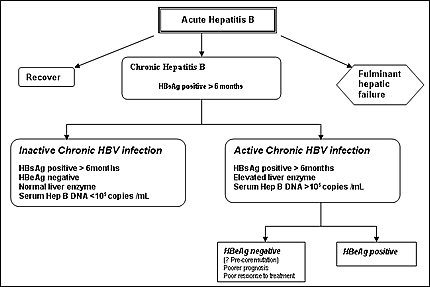
Chronic hepatitis B (CHB) is defined as persistent presence of HBsAg for more than six months. Diagnosis of CHB is suspected when the patient presents with features listed in Figure 1. CHB carries the highest risk of progression to liver cirrhosis and hepatocellular carcinoma. It was estimated that about 12% of patients with chronic HBV infection develop cirrhosis annually. The development of cirrhosis and hepatocellular carcinoma is the result of immune-mediated inflammatory response. This condition is also found to be associated though uncommonly with systemic vasculitis, membranoproliferative glomerulo-nephritis and polyarteritis nodosa.2 Laboratory investigations for CHB patients include liver function tests, HBV markers, serum HBV DNA load, alpha-feto protein and ultrasonography of the liver. Laboratory tests may be normal in CHB, however many patients have mild to moderate elevation of aminotransferases.6 These Persistent raised liver enzymes two to three times the normal range, elevated alpha fetoprotein and abnormal findings on liver ultrasonography are indications for referral to hepatologist for further detailed evaluation and treatment. In Malaysia, screening for hepatocellular carcinoma is recommended for hepatitis B carriers more than 40 years of age and hepatitis B carriers less than 40 years of age with at least two risk factors. Risk factors include a family history of hepatocellular carcinoma, hepatitis C infection, liver cirrhosis, hemochromatosis, and chronic alcohol consumption.15
Figure 1. Clinical course of hepatitis B infection